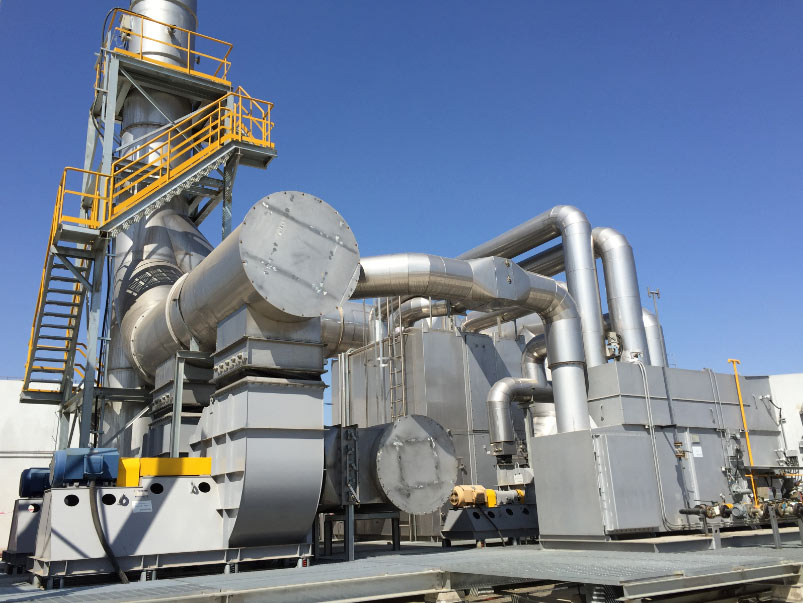

VRU capacity should be based on the complete vapor-flow envelope, not annual throughput alone. Tank breathing, filling displacement, flashing, loading peaks and simultaneous sources can produce very different design cases.
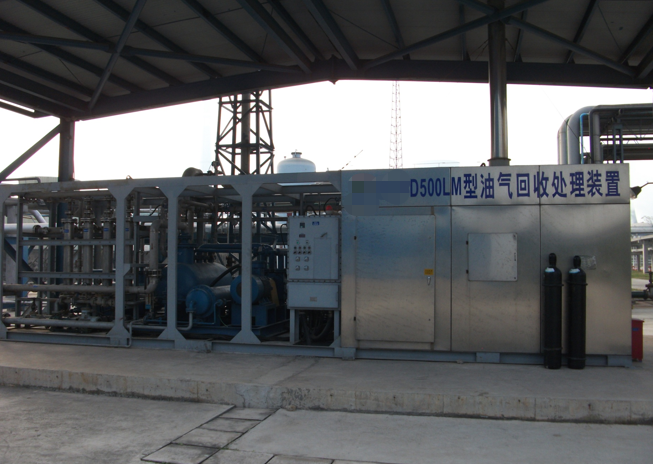
VRU project reference for equipment buyers
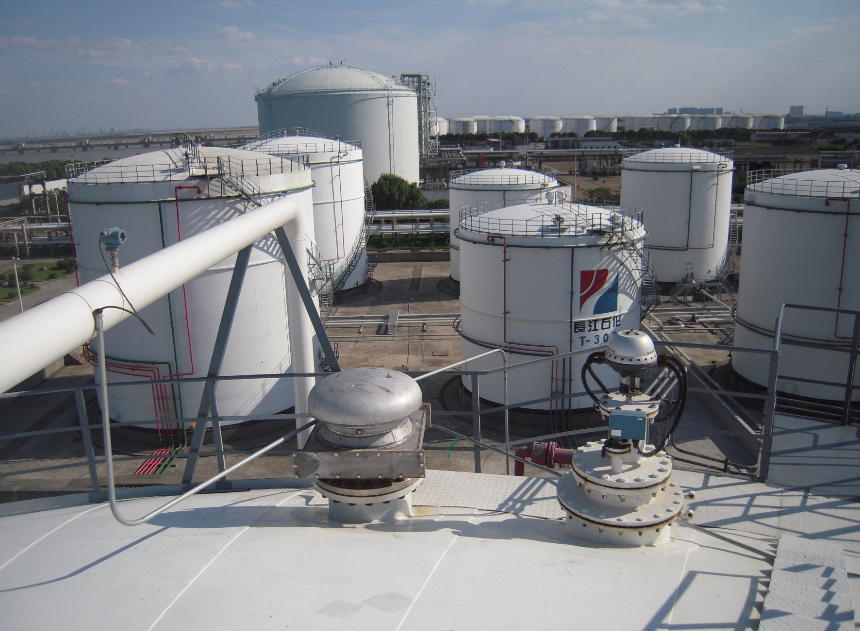
Data required
| Category | Required information |
|---|---|
| Sources | Tank type, volume, product, filling/emptying, loading bays and process vents |
| Flow | Minimum, normal, maximum and simultaneous peak vapor flow |
| Gas | Composition, molecular weight, vapor pressure, oxygen, water, H2S, aerosols and condensables |
| Pressure | Inlet pressure, tank allowable pressure, header pressure drop and recovery destination pressure |
| Utilities | Power, refrigeration, cooling water, nitrogen, compressed air, fuel and installation space |
| Performance | Recovery target, outlet limit, product quality and monitoring requirements |
How to avoid undersizing
Separate average flow from repeatable peak flow. Identify which tanks and loading points can operate at the same time. Check liquid carryover and header pressure before choosing equipment. Include turndown, startup, bypass, maintenance and emergency cases in the operating philosophy.
Choosing between the two product routes
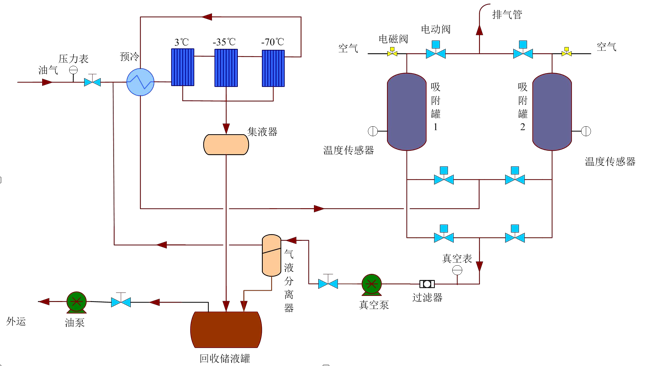
Use the condensation + adsorption route when staged cooling can recover valuable condensable product. Evaluate adsorption + absorption when gas-liquid contact and concentration equalization fit the hydrocarbon mixture. Compare both routes against compression, direct recovery and oxidation where appropriate.
Need help with VRU capacity?
Send the data available now; missing measurements can be identified during the preliminary review.