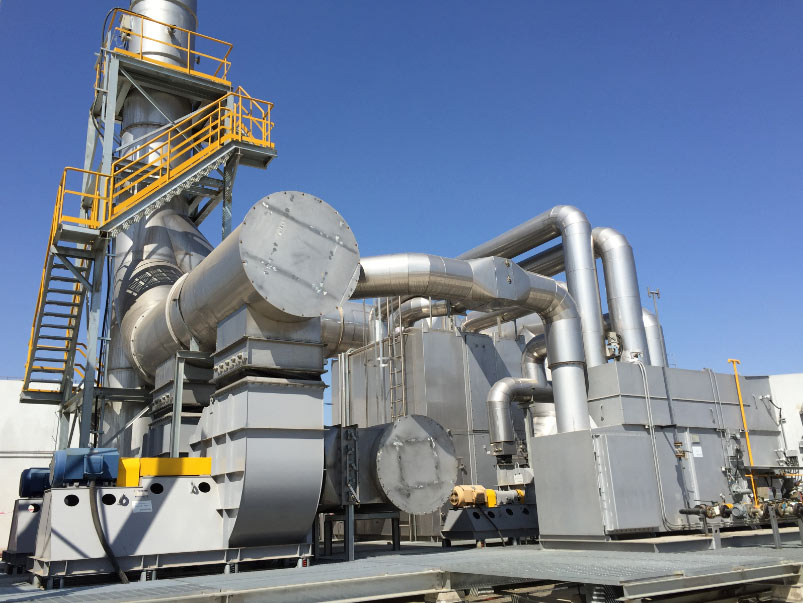

The catalyst bed is the performance core of a catalytic oxidizer. Catalyst type, substrate, active metal, surface area, temperature window and poisoning resistance determine whether the system can perform reliably.
Why this component matters
Catalyst selection cannot be separated from solvent chemistry. A stream that looks suitable by concentration may be unsuitable if it contains silicone, sulfur, phosphorus, chlorinated compounds, heavy metals, oil mist or resin aerosols.
| Airflow | Total, minimum and maximum operating airflow. Include simultaneous-use assumptions for multiple emission points. |
|---|---|
| VOC composition | Known solvents, average and peak concentration, calorific value if available, and any changing product recipes. |
| Contaminants | Dust, oil mist, resin aerosol, silicone, sulfur, phosphorus, halogens, heavy metals or catalyst-poisoning compounds. |
| Gas conditions | Normal and peak temperature, humidity, oxygen level, pressure and condensation risk. |
| Compliance target | Required outlet concentration, destruction efficiency, monitoring method and project location. |
What should be reviewed before final selection?
Precious metal vs. base metal
Platinum and palladium catalysts are common for many solvent VOCs, while base-metal catalysts may be evaluated for selected duties. The choice depends on solvent type, temperature and contaminants.
Light-off temperature
The catalyst must reach the temperature at which oxidation proceeds reliably. Heater sizing and control logic should protect against low-temperature slip.
Catalyst poisoning
Silicone, sulfur, phosphorus, halogens and heavy metals can reduce activity. Pretreatment, material review and monitoring are part of the design.
Pressure drop and fouling
Dust, oil mist and condensables can block channels and raise pressure drop. Filtration or demisting may be needed upstream.
Inspection and replacement
Catalyst condition is monitored through temperature rise, outlet concentration, pressure drop and physical inspection.
Spare catalyst planning
For critical production lines, spare modules and access space reduce downtime during replacement.
Catalytic Oxidizer Catalyst and Catalyst Protection questions
How long does catalytic oxidizer catalyst last?
Service life depends on solvent chemistry, contaminants, operating temperature, shutdown cycles and maintenance. It should be managed by condition and performance data.
Can poisoned catalyst be regenerated?
Some deposits can be removed, but chemical poisoning may be irreversible. The correct decision depends on analysis of the contaminant and catalyst condition.
What catalyst information should I provide?
Provide solvent list, concentration, temperature, humidity, dust, mist, silicone, sulfur, phosphorus, chlorine and any additives used in the process.
Send VOC data for catalytic oxidizer sizing
Share airflow, VOC composition, concentration range, temperature, humidity, dust or mist content, operating schedule and required emission limit. We will review whether a catalytic oxidizer, RCO, RTO, zeolite rotor or carbon system is the better fit.