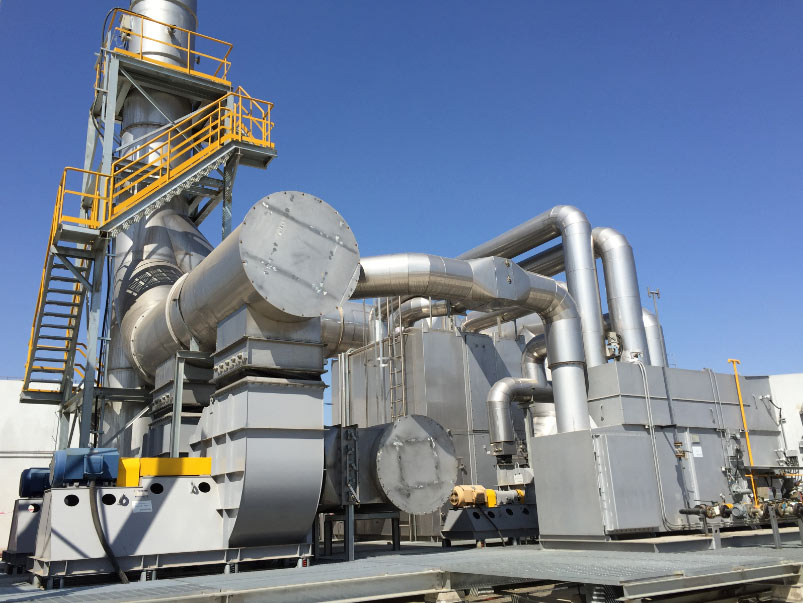

The control system coordinates fan operation, purge, heater start, catalyst temperature, valve position, LEL monitoring, alarms and shutdown actions. It is central to stable emissions control and plant safety.
Why this component matters
Professional buyers often ask about controls because a VOC oxidizer interacts with production, utilities and safety systems. The page should explain operating sequences and interlocks in clear engineering language.
| Airflow | Total, minimum and maximum operating airflow. Include simultaneous-use assumptions for multiple emission points. |
|---|---|
| VOC composition | Known solvents, average and peak concentration, calorific value if available, and any changing product recipes. |
| Contaminants | Dust, oil mist, resin aerosol, silicone, sulfur, phosphorus, halogens, heavy metals or catalyst-poisoning compounds. |
| Gas conditions | Normal and peak temperature, humidity, oxygen level, pressure and condensation risk. |
| Compliance target | Required outlet concentration, destruction efficiency, monitoring method and project location. |
What should be reviewed before final selection?
Purge and start-up sequence
The PLC verifies airflow, valve positions and purge time before enabling the burner or electric heater.
LEL monitoring
When required, concentration monitoring and dilution logic help maintain safe operating margin.
Temperature protection
Catalyst inlet, catalyst outlet, chamber and stack temperatures are used for control and alarm logic.
Fan and pressure interlocks
Airflow, fan status, VFD feedback and pressure switches prevent unsafe heating without flow.
Alarm records
HMI alarm history helps maintenance identify unstable operation, failed sensors or process changes.
Remote service options
Remote access can support troubleshooting when permitted by the site cybersecurity policy.
Catalytic Oxidizer Control System and Safety Interlocks questions
What safety interlocks are typical?
Typical interlocks include airflow proven, purge complete, valve position, high temperature, flame failure, gas pressure, heater status, fan fault and emergency stop.
Does a catalytic oxidizer need LEL monitoring?
It depends on VOC concentration, process risk and local requirements. LEL monitoring should be evaluated for variable or potentially high-concentration streams.
Can the system connect to plant DCS?
Yes. Common signals include run status, fault, temperatures, fan speed, valve position and permissive signals.
Send VOC data for catalytic oxidizer sizing
Share airflow, VOC composition, concentration range, temperature, humidity, dust or mist content, operating schedule and required emission limit. We will review whether a catalytic oxidizer, RCO, RTO, zeolite rotor or carbon system is the better fit.