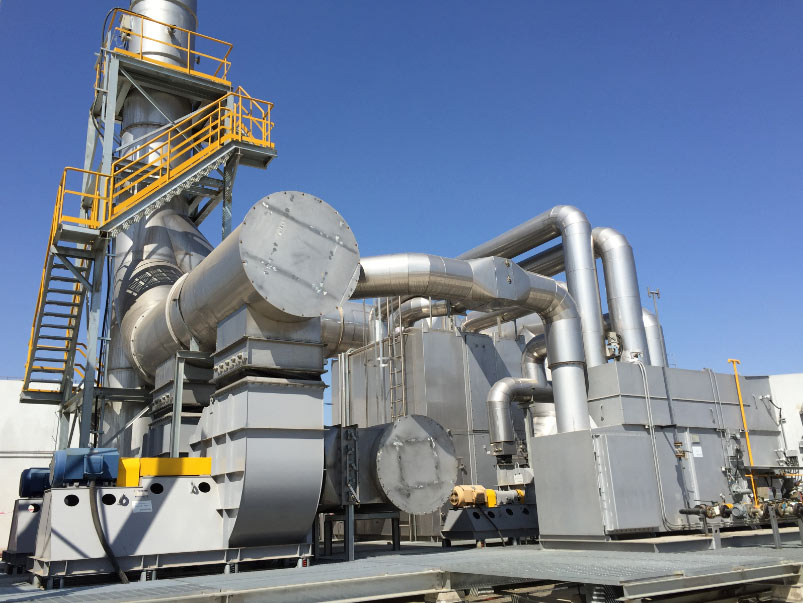

Activated carbon for gold recovery is a granular coconut shell carbon that adsorbs dissolved gold-cyanide complexes from leach slurry. It is the adsorption medium in carbon-in-leach (CIL), carbon-in-pulp (CIP) and carbon-in-column (CIC) circuits at gold plants and heap leach operations.
Product Overview
Raw material: coconut shell. Applications: gold recovery, CIP, CIL, CIC, precious metal recovery.
Produced from selected coconut shell feedstock for adsorption of gold-cyanide complexes in CIP, CIL and CIC processes. A microporous structure, high mechanical strength and low impurity content make coconut shell activated carbon suitable for repeated adsorption, elution, regeneration and handling cycles.
Why Coconut Shell Carbon Is Used for Gold Adsorption
High Mechanical Strength
High hardness and abrasion resistance help reduce carbon loss during pumping, agitation, screening and transfer operations commonly encountered in gold recovery circuits. Carbon is airlifted between tanks and screened against pulp at every stage, so marginal hardness becomes fines lost with the tailings.
Pore Structure for Gold Adsorption
The pore distribution suits adsorption of the dissolved gold-cyanide complexes generated during cyanide leaching. Coconut shell carbon is predominantly microporous, matching the small aurocyanide complex, while coal based activated carbon and its wider pores suit larger molecules in water and gas duties.
Low Ash Content
Controlled ash levels help minimize introduction of inorganic contaminants downstream: ash adsorbs no gold, dilutes the carbon and adds load to elution and electrowinning.
Residual Flotation Reagents and Other Interfering Species
Collectors, frothers, kerosene and lubricating oil carried over from flotation and milling coat the pore mouth and block the internal surface; calcium scaling from hard water does the same, while copper, thiocyanate and thiosulfate compete for sites or consume cyanide.
The Role of Carbon in CIL, CIP and CIC Circuits
In all three configurations carbon loads gold so it can be eluted and refined, then returns to the circuit; where it sits in the flowsheet changes the demands on it.
Carbon-in-Leach (CIL) and Carbon-in-Pulp (CIP)
In CIL, leaching and adsorption occur in the same tank system, so gold is dissolved and captured almost simultaneously, reducing process stages and carbon transfer requirements. In CIP the stages are separate: gold is dissolved in the leach tanks, then adsorbed in agitated tanks with counter-current carbon movement.
Carbon-in-Column (CIC) and Heap Leach Recovery
Pregnant leach solution (PLS) is passed through fixed-bed or moving-bed columns of activated carbon for recovery of dissolved precious metals. Clarified solution carries little abrasive solids, so attrition is lower and finer mesh is feasible; the same family serves heap and dump leach operations, while adjacent duties may need iron oxide carbon.
Operating Parameters to Confirm Before Selecting a Grade
A grade cannot be quoted from one number; the solution analysis and these values should reach the supplier first:
- Pulp density – solids concentration in the tanks, and whether adsorption runs in pulp or on clarified solution
- Carbon concentration, contact time and advance rate – inventory and residence time per stage, number of stages, and carbon movement through the train
- Solution chemistry – pH, cyanide, copper, thiocyanate, thiosulfate and residual flotation reagents
Specifications That Drive Recovery and Carbon Loss
| Parameter | Typical Range |
|---|---|
| Iodine number | ≥1000 mg/g |
| Hardness | ≥95% |
| Ash content | ≤5% |
| Moisture content | ≤5% |
| Particle sizes | 6×12 mesh, 8×16 mesh and others |
Actual specifications may vary according to product grade and application requirements; request a lot-specific certificate of analysis with each shipment.
- Iodine number and carbon tetrachloride (CTC) adsorption value – indicators of surface and pore volume, and therefore of capacity; screening figures, not a prediction of plant recovery
- Particle size and mesh – finer carbon adsorbs faster but is lost to tailings more easily; coarser carbon is retained better but loads slowly
- Hardness – governs attrition loss; falling hardness appears as rising consumption and more tailings fines
- Moisture, ash and bulk density – moisture affects mass balance and storage; ash dilutes the carbon; bulk density sets how much carbon a tank volume holds
Carbon Loss, Regeneration and Blending
Thermal Regeneration
Carbon leaves a circuit as fines with the tailings, as material held in elution and regeneration, and through handling loss. Thermal regeneration burns off adsorbed organics and restores much of the pore structure, and is the standard route in most gold recovery operations, subject to process conditions and operating practices. Each cycle takes a small toll on activity and hardness, so regenerated carbon performs below new carbon over time.
Acid Washing
Dilute mineral acid removes calcium carbonate and other inorganic scaling, and is often cheaper when activity loss comes from hard water rather than organic fouling. It does not restore pores blocked by oil or flotation reagents.
Mixing Regenerated Carbon With New Carbon
- Expect regenerated carbon to sit below new carbon on activity and hardness; ask for measured values on the regenerated lot.
- Blend at a defined, recorded ratio so performance changes can be traced to known inventory changes.
- Screen ahead of charging – fines charged to a tank are gold heading for the tailings – and place higher activity carbon where loading is hardest.
Selection and Procurement: What We Need From You
We quote from process data rather than a product name:
- Circuit configuration (CIL, CIP, CIC or a combination) and a simple flowsheet where available
- Tank or column volumes, number of adsorption stages, and whether feed is slurry or solution
- Pulp density, and the design and current gold grade in solution with its variability
- Solution chemistry: pH, cyanide, copper, thiocyanate, thiosulfate, chloride, residual reagents
- Annual make-up consumption, regeneration practice and screen aperture
How to Compare Grades Before You Buy
Compare on your own solution, not synthetic liquor:
- Run all candidates in parallel on a split sample of adsorption feed, with your current carbon as the control.
- Measure adsorption rate and equilibrium loading at plant temperature, pH and cyanide conditions, at matched particle size.
- Run an abrasion test on each candidate, and request a lot-specific certificate of analysis for the material you would receive.
Engineering and Technical Support
Support covers grade selection, inventory planning, circuit evaluation and regeneration. The same team supplies the rest of the coconut shell range: water purification, industrial wastewater, pharmaceutical and food and beverage grades, with adsorption and catalytic combustion for VOC treatment for off-gas duties.
Packaging and Storage
Available in 25 kg bags, 500 kg bulk bags and customized packaging. Store dry and ventilated, protected from moisture and contamination.
Frequently Asked Questions
What is the difference between coconut shell and coal based carbon for gold recovery?
Coconut shell carbon is harder and microporous, which suits the small aurocyanide complex and the abrasive circulation duty of CIP and CIL; coal based carbon is softer with wider pores and suits water and gas phase duties such as coal based granular carbon for air purification.
Which mesh size should I specify for a CIP or CIL circuit?
It depends on your interstage screen aperture and stage residence times, not a universal rule: carbon must be retained by the screens while adsorbing fast enough within the contact time.
How often does carbon need to be regenerated?
No single interval applies across plants: the trigger is a measured drop in activity or loading, or rising make-up consumption, against a baseline from your own solution.
Can regenerated carbon be mixed with new carbon?
Yes, and most plants do, but blend deliberately: regenerated carbon shows lower activity and hardness, so record the ratio and screen fines out first.
What reduces carbon activity in a real circuit?
Organic fouling from flotation reagents, oils and lubricants; scaling such as calcium carbonate from hard water; and competing species such as copper, thiocyanate and thiosulfate.
Talk to an Engineer
Send your circuit data – configuration, volumes, pulp density, solution chemistry, screen aperture, current grade and consumption – and we will return a grade recommendation and pricing. For the checklist, talk to an engineer.