
High-Performance Zinc Oxide Carbon Composite (ZnO-C) – Advanced Catalyst & Sensor Material
Here is the professional, industry-standard English translation of the product introduction:
Product Overview
ZnO-C is an advanced composite nanomaterial engineered by integrating nanoscale zinc oxide (ZnO) with high-performance carbon substrates, such as carbon nanotubes (CNTs), porous carbon, or carbon black.
Traditional pure ZnO materials often face bottlenecks in practical applications, such as low electrical conductivity and severe nanoparticle aggregation. This product overcomes these limitations by utilizing a highly conductive carbon network as a three-dimensional supporting scaffold. The carbon matrix not only endows the material with exceptional electron transport capabilities but also significantly increases the exposure density of active sites. As a result, this composite delivers a distinct competitive edge in next-generation gas sensors, high-performance energy storage devices, and environmental catalysis.
Key Advantages
Synergistic Conductivity: The highly conductive carbon network significantly reduces interfacial charge-transfer resistance, fully activating the electrochemical performance of ZnO.
High Sensitivity & Selectivity: The heterojunction formed at the interface between ZnO and the carbon material creates unique electronic states, enabling a highly sensitive response mechanism toward target gases or ions.
Robust Structural Stability: The carbon substrate effectively anchors the ZnO nanoparticles, preventing sintering and aggregation under high-frequency cycling or elevated operating temperatures, thereby ensuring long-term stability.
Highly Tunable Morphology: The carbon source can be tailored into various morphologies (such as low-dimensional tubular or porous structures) to match specific application scenarios and maximize material efficiency.
Technical Specifications
| Parameter | Specification |
| Appearance | Dark Grey to Black Powder |
| ZnO Content | 20% – 60% (Customizable) |
| Particle Size (ZnO) | 10 nm – 100 nm (Uniformly Dispersed) |
| Specific Surface Area (BET) | 150 – 400 $m^2/g$ |
| Conductivity | Excellent (Continuous conductive carbon network) |
| Purity | $\ge 99.0\%$ |
Core Application Areas
1. High-Sensitivity Gas Sensors
ZnO-C composites are ideal for detecting toxic, hazardous, and volatile gases. Industry research demonstrates that porous ZnO materials prepared using carbon microspheres as templates exhibit a response sensitivity to specific gases (such as acetic acid) over 60 times higher than that of pure ZnO, significantly improving the precision of industrial safety monitoring.
2. Energy Storage Devices (Zinc-Air & Lithium-Ion Batteries)
Zinc-Air Batteries: Serving as a cost-effective cathode catalyst, this material demonstrates oxygen reduction reaction (ORR) catalytic activity comparable to commercial platinum-carbon (Pt/C) catalysts.
Lithium-Ion Batteries: When utilized as an anode material, the 3D carbon substrate effectively buffers the volume expansion of ZnO during charge-discharge cycles, extending battery cycle life.
3. Environmental Catalysis ($CO_2$ Reduction and Utilization)
The material delivers outstanding performance in Carbon Capture, Utilization, and Storage (CCUS). By stabilizing and strengthening the surface defect structures of ZnO via the carbon support, it significantly enhances catalytic efficiency in converting carbon dioxide ($CO_2$) into high-value cyclic carbonates.
4. Electrochemical Sensing & Detection
Tailored morphological structures enable precise detection across multiple fronts:
Heavy Metal Detection: ZnO-modified carbon nanotubes exhibit exceptional selectivity for capturing lead ions ($Pb^{2+}$) in aqueous environments.
Biosensing: Carbon-coated ZnO nanorods can be widely applied in the development of novel, non-enzymatic glucose sensors.
Packaging & Storage
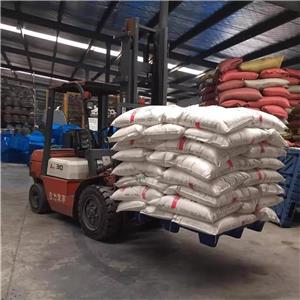
Standard Packaging: Available in 1 kg vacuum aluminum foil bags, 5 kg iron buckets, or 25 kg fiber drums (custom packaging available upon request).
Storage Conditions: Store in a cool, dry, and well-ventilated warehouse. Keep strictly away from strong oxidizing agents.
Why Choose Us?
Customized Synthesis Processes: Expert utilization of Sol-Gel and Chemical Vapor Deposition (CVD) methods ensures that ZnO nanoparticles achieve molecular-level, uniform, and anchored growth on the carbon surface.
Deep Industry Expertise: Our technical team understands the rigorous material demands of the sensor and energy storage sectors, allowing us to recommend and match the precise grade for your specific needs.
Stringent Quality Control: Every batch undergoes rigorous particle size distribution testing and electrochemical performance evaluation to guarantee batch-to-batch consistency.