
High-Performance Magnesium Oxide Carbon Composite (MgO-AC) – Advanced Adsorbent & Catalyst Support
Chemical Formula: MgO-C
Alternative Names: Magnesium Oxide Activated Carbon Composite, MgO-Loaded Activated Carbon, MgO-AC Composite
Keywords: Magnesium Oxide Carbon Composite, MgO Activated Carbon, Water Treatment Adsorbent, Sugar Decolorization Carbon, Flue Gas Desulfurization Sorbent, Heavy Metal Removal
Product Overview
Magnesium Oxide Carbon Composite (MgO-C) is a functional adsorption material produced by loading magnesium oxide onto a porous activated carbon matrix. The combination of MgO and activated carbon provides both chemical and physical treatment mechanisms, making the material suitable for water purification, gas treatment, decolorization processes, and catalyst support applications.
The activated carbon component offers a developed pore structure and large surface area for adsorption, while magnesium oxide contributes alkaline properties that enhance the removal of acidic compounds and selected contaminants. The composite structure helps maintain dispersion of MgO particles and improves contact efficiency between the material and the target pollutants.
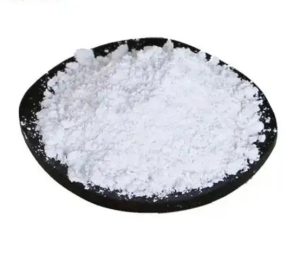
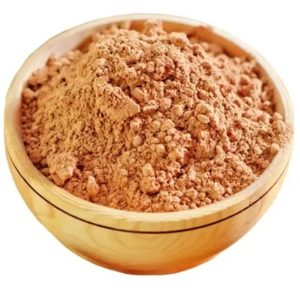
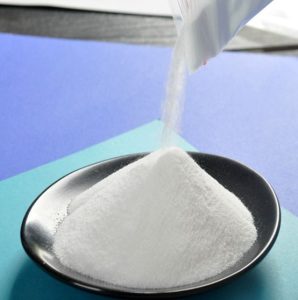
MgO-C materials are available in powder, granular, and pelletized forms, with customizable MgO loading levels and pore structures to meet different industrial requirements.
Key Features
Combined Adsorption and Neutralization
The material combines physical adsorption from activated carbon with the alkaline reactivity of magnesium oxide, allowing multiple treatment mechanisms to occur simultaneously.
High Surface Area
The porous carbon structure provides a large contact area for pollutant removal and supports uniform distribution of MgO particles.
Decolorization Performance
Suitable for removing color compounds and organic impurities from process liquids, syrups, and industrial wastewater streams.
Acid Gas Removal Capability
The alkaline nature of magnesium oxide makes the material effective for adsorption and neutralization of acidic gases such as sulfur dioxide (SO₂).
Customizable Formulation
MgO loading ratio, particle size, pore volume, and physical form can be adjusted according to process requirements.
Typical Technical Specifications
| Parameter | Typical Value |
|---|---|
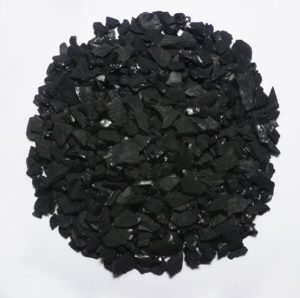
| Appearance | Black or Dark Grey Powder / Granules / Pellets |
| MgO Content | 10% – 40% |
| Specific Surface Area (BET) | 200 – 600 m²/g |
| Average Pore Size | 2 – 5 nm |
| pH (Slurry) | 8 – 10 |
| Ash Content | ≤ 5% |
Actual specifications can be customized based on application requirements.
Applications
Industrial Wastewater Treatment
Used for the removal of organic contaminants, color compounds, and selected pollutants from industrial wastewater generated by chemical, textile, food processing, and manufacturing industries.
Sugar Processing and Decolorization
Applied in sugar refining and syrup treatment processes to reduce color bodies and improve product clarity while maintaining process stability.
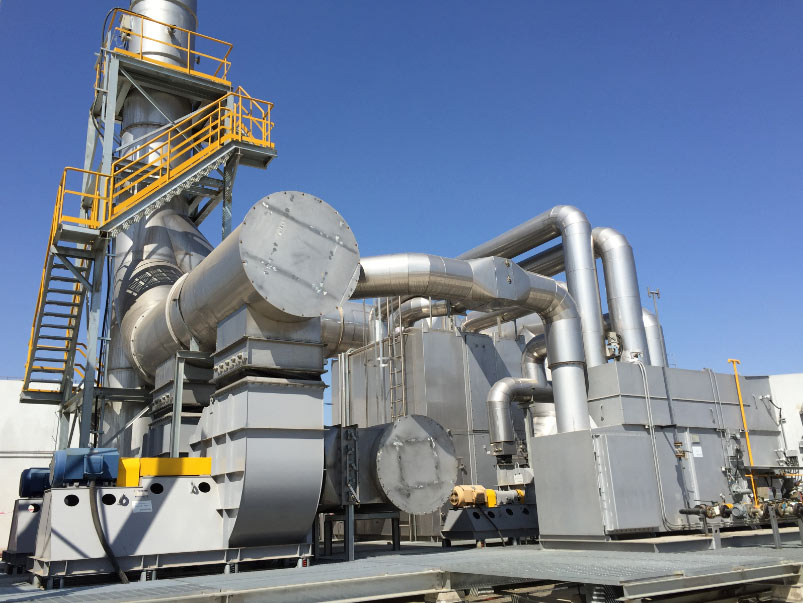
Flue Gas Desulfurization (FGD)
Can be used as a sorbent material for removal of sulfur dioxide (SO₂) and other acidic gas components from industrial exhaust streams.
Heavy Metal Removal
Suitable for adsorption of selected heavy metal ions, including lead, cadmium, chromium, and other contaminants found in industrial wastewater.
Catalyst Support Material
Used as a support medium in catalytic systems where both surface area and alkaline properties are beneficial to reaction performance.
Industries Served
Water Treatment
Sugar Refining
Chemical Manufacturing
Food Processing
Power Generation
Mining and Metallurgy
Environmental Engineering
Industrial Emission Control
Packaging and Storage
Packaging Options
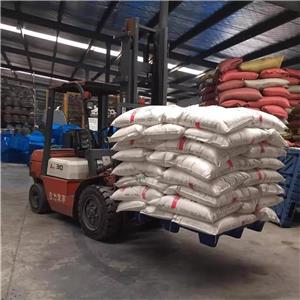
25 kg kraft paper bags with PE liner
500 kg bulk bags
1000 kg jumbo bags
Customized packaging available upon request
Storage Recommendations
Store in a cool, dry, and well-ventilated area. Keep packaging sealed when not in use. Avoid exposure to moisture, strong acids, and corrosive chemicals.
Technical Support
Technical assistance may include:
Product selection
MgO loading customization
Adsorption performance evaluation
Process optimization
Sample testing
Application development support
Selection Considerations
Selection of MgO-C materials typically depends on:
Target contaminants
Required adsorption capacity
Gas or liquid treatment conditions
pH requirements
Operating temperature
Particle size requirements
System design parameters
Laboratory testing is recommended to determine the most suitable grade and operating conditions for specific applications.
Quality Assurance
Each batch can be supplied with:
Certificate of Analysis (COA)
Product Specification Sheet
Material Safety Data Sheet (MSDS/SDS)
Quality Inspection Report
Additional testing and documentation can be provided according to customer requirements.
Request Information
For technical specifications, sample requests, customization options, or pricing information, please contact our technical and sales team.