
Regenerative Thermal Oxidizer (RTO) Inspection Guide

·

·

Regenerative Thermal Oxidizer (RTO) Inspection &maintenance Guide

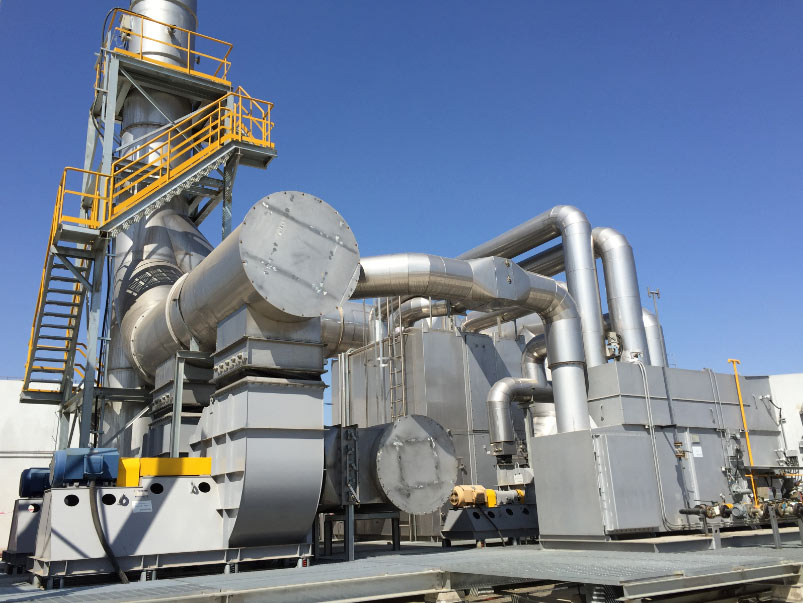
A Regenerative Thermal Oxidizer (RTO) is a highly efficient air pollution control device widely used in industrial applications to destroy volatile organic compounds (VOCs) and hazardous air pollutants . It works by oxidizing pollutants at high temperatures (typically 760–815°C / 1,400–1,500°F) into carbon dioxide and water while recovering up to 95–97% of the heat through ceramic heat exchange media. This makes RTOs the preferred solution for industries such as coating, printing, chemical processing, pharmaceuticals, and packaging.Because RTOs operate continuously under high-temperature, potentially corrosive, and particulate-laden conditions, regular inspection and maintenance are essential to maintain destruction efficiency, ensure regulatory compliance, minimize energy consumption, and prevent costly downtime.

How an RTO Works

An RTO typically consists of multiple ceramic-filled beds (heat exchange media), a combustion chamber, switching valves (poppet or rotary), and exhaust/induced draft fans. VOC-laden exhaust gas is preheated in one ceramic bed, oxidized in the combustion chamber, and then passes through another bed to release heat before being discharged. The valves switch direction every 90–120s, enabling continuous heat regeneration.

Why Regular RTO Inspection Is Critical

Performance Degradation: Fouled, cracked, or settled media reduces thermal efficiency and increases fuel usage.
Safety Risks: Valve leakage, insulation failure, or hot spots can lead to structural damage or fire hazards.
Regulatory Compliance: Most environmental agencies require documented maintenance and periodic stack testing.
Cost Control: Preventive maintenance is far less expensive than emergency repairs or full system replacement.

Comprehensive RTO Inspection Checklist

1. Daily / Weekly Visual & Operational Checks
External inspection:Look for hot spots, discoloration, shell warping, loose fasteners, or damaged insulation.
Monitor key parameters: Inlet/outlet temperatures, pressure drops across beds, flow rates, and VOC destruction efficiency.
Check for unusual noise or vibration from fans and valves.
Leak detection: Scan for process odors or visible leaks around ducts, valves, and access doors.
2. Ceramic Heat Exchange Media Inspection (Most Critical Component)
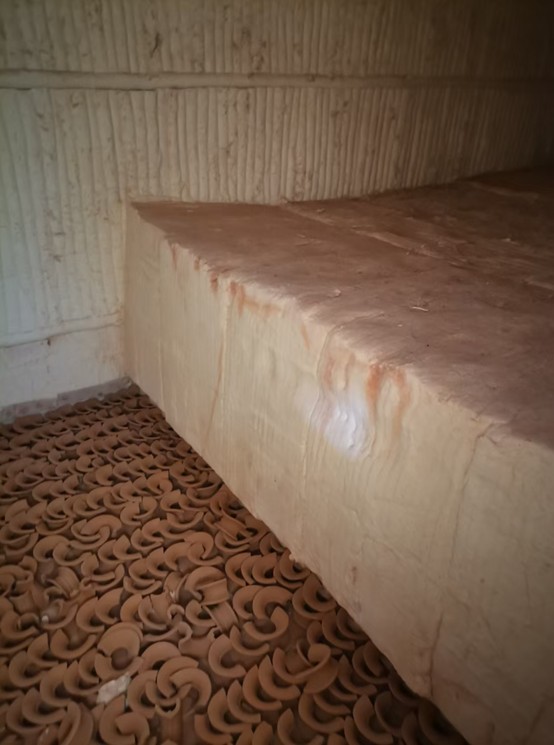
Visually check for cracking, breakage, dusting, or blockage.
Measure pressure drop across each bed — a significant increase indicates plugging.
Inspect cold-face support grids for corrosion, distortion, or media dropout.Use borescopes for internal examination.
Detailed media inspection is recommended quarterly or semi-annually.
3. Valve and Switching System Inspection
Verify poppet or rotary valve stroke, seating, sealing, and actuator performance.
Check purge/seal air pressure and timing.
Perform leak tests — even minor leakage can significantly reduce destruction removal efficiency (DRE).
4. Combustion and Fan System
InspectionBurner: Inspect flame pattern, nozzle condition, carbon buildup, and corrosion.
Fans & motors:Check bearing lubrication, belt tension, alignment, and vibration levels.Calibrate all temperature, pressure, and flow sensors; test safety interlocks.
5. Insulation and Structural
IntegrityLook for gaps between ceramic blocks and insulation that could cause bypass or cold-face damage.
Inspect external steel shell for corrosion or deformation.
6. Performance Testing
Conduct periodic thermal efficiency tests and formal stack emissions testing to confirm VOC destruction efficiency remains at or above 95–99%, as required by permits

Recommended Inspection Frequency


Recommended Inspection Frequency
Daily/Weekly: Visual walk-down and parameter logging.
Monthly: Basic valve checks and media assessment.
Quarterly / Semi-Annually: Detailed internal inspection and cleaning.
Annually: Full shutdown inspection, calibration, and component replacement.
Every 3 Years: Major overhaul by specialized service providers.

Common Issues and Solutions

Media Failure: Most frequent problem — replace structured or random media when efficiency drops or pressure drop rises (typical life: 5–10+ years).
Insulation Failure: Causes external overheating — repair gaps and replace damaged material.
Valve Leakage: Leads to poor switching and reduced efficiency — adjust, repair, or replace seals.
Particulate Buildup: Install better upstream filtration to extend media life.


Professional Service Recommendation

Many facilities partner with specialized RTO service companies for comprehensive inspections, detailed reports with photos, and performance optimization. Professional teams can also recommend upgrades such as high-efficiency media, advanced controls, or energy-saving modifications.
Conclusion
Regular inspection of your Regenerative Thermal Oxidizer is not just routine maintenance — it is a strategic practice that ensures environmental compliance, operational reliability, energy efficiency, and long-term cost savings.Establish a systematic preventive maintenance program based on the manufacturer’s manual, your process conditions, and local regulations. When in doubt, consult qualified RTO specialists to keep your system running at peak performance.Consistent inspection leads to reliable, efficient, and sustainable VOC control. If your plant operates an RTO, now is the perfect time to review and strengthen your inspection plan.


发表回复

您的邮箱地址不会被公开。 必填项已用 * 标注

ABOUT DIRECTOR
Eagle Sun

Air pollution control equipment experts.Wechat:18301170098,phone:+8618301170098

.

RECENT POSTS