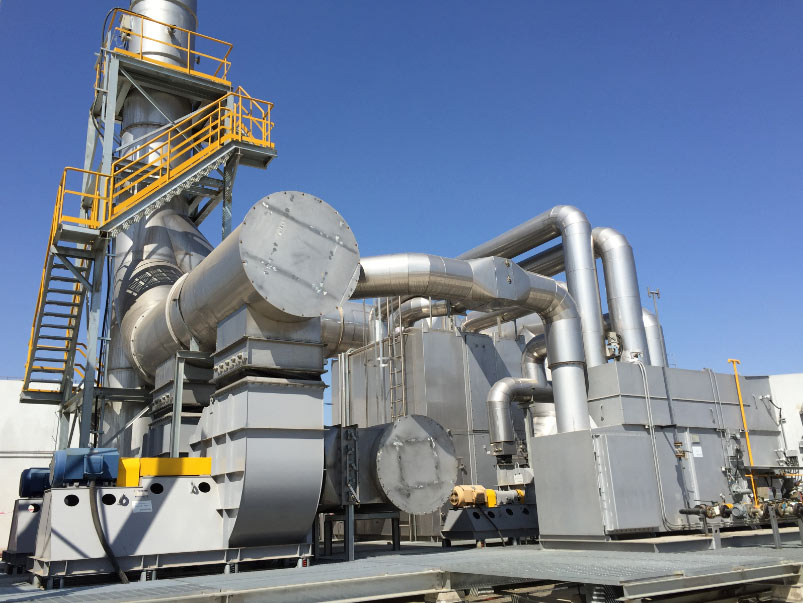

A VRU quotation is only comparable when the battery limits, gas conditions, performance basis, utilities and safety scope are clearly defined. The lowest equipment price may not represent the lowest lifecycle cost if pretreatment, controls, installation and maintenance are excluded.
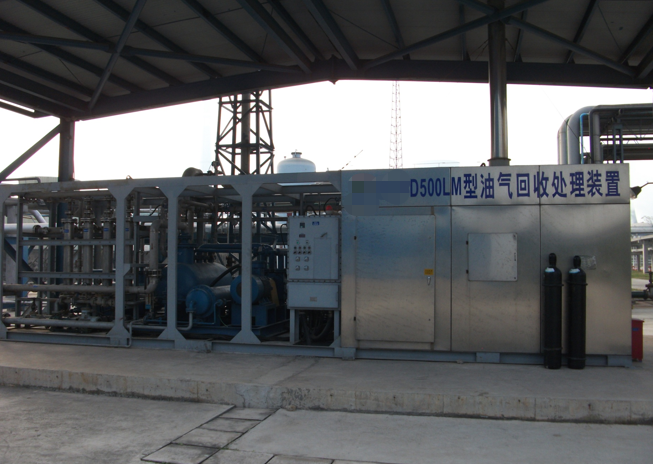
VRU project reference for equipment buyers
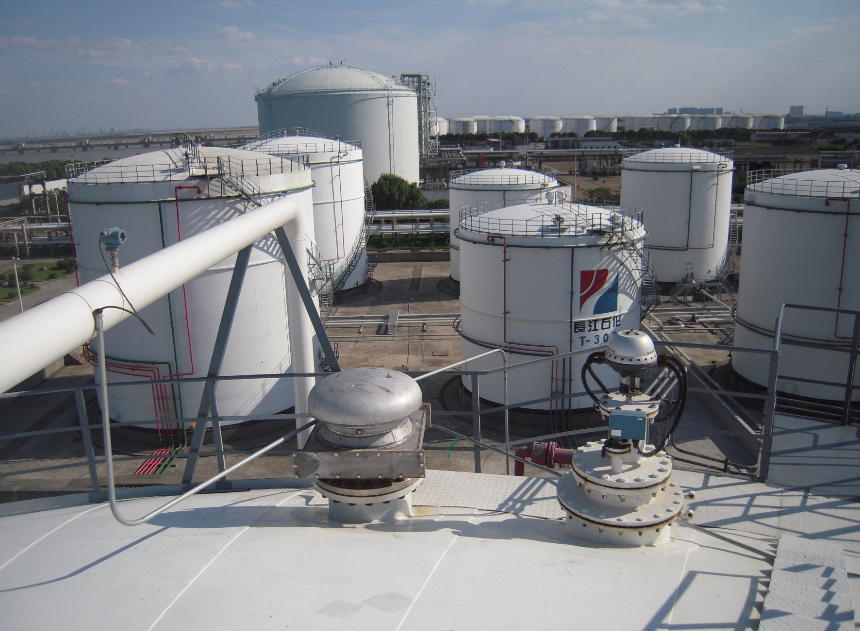
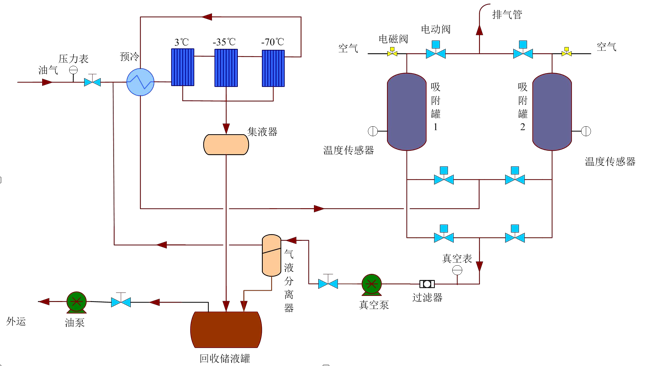
What to include in an RFQ
- Gas composition and minimum/normal/maximum flow
- Pressure, temperature, oxygen, humidity and liquid carryover
- Tank, loading or process-source information and simultaneous cases
- Recovery destination and product-quality requirements
- Required outlet target and monitoring method
- Hazardous-area classification, ESD and flame-protection requirements
- Utility limits, installation location, climate and maintenance access
Compare scope, not only price
Ask whether the quotation includes knockout vessels, filters, refrigeration, adsorbent, absorber, compressor, pumps, valves, instruments, PLC/HMI, explosion-proof electrical equipment, piping, commissioning, training, spare parts and performance testing.
Questions for the supplier
- Which values are typical and which are guaranteed?
- What gas contaminants can damage the adsorbent, absorbent or compressor?
- How are peak flow, turndown and liquid carryover handled?
- What happens during high LEL, high oxygen, high temperature, high pressure or power failure?
- How often are adsorbent, absorbent, filters and safety devices inspected or replaced?
Request a comparable VRU proposal
Send your RFQ data and we can help define the process route, scope and information gaps before budget comparison.