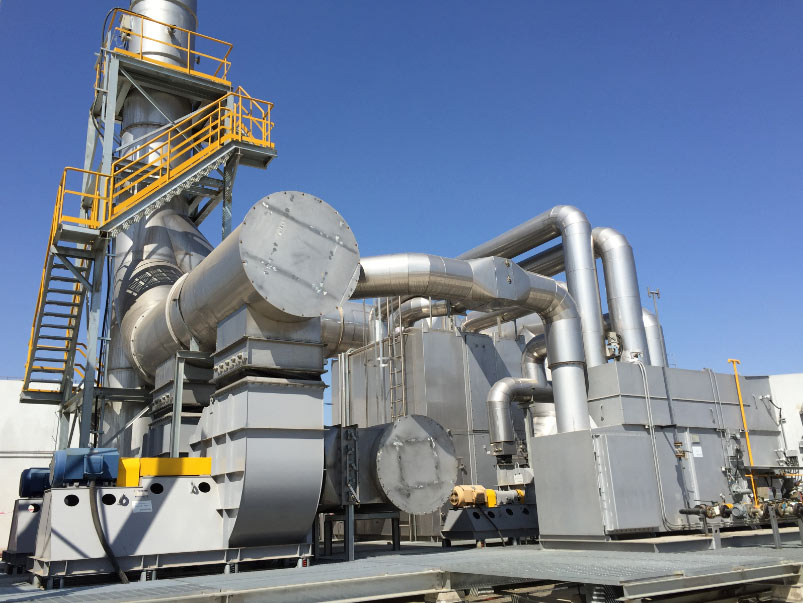

Reference-design note: This is a process reference for content and preliminary engineering discussion, based on the supplied oil-vapor-recovery materials. It does not claim a specific customer result. Final design must use current gas analysis, loading data and a project safety assessment.
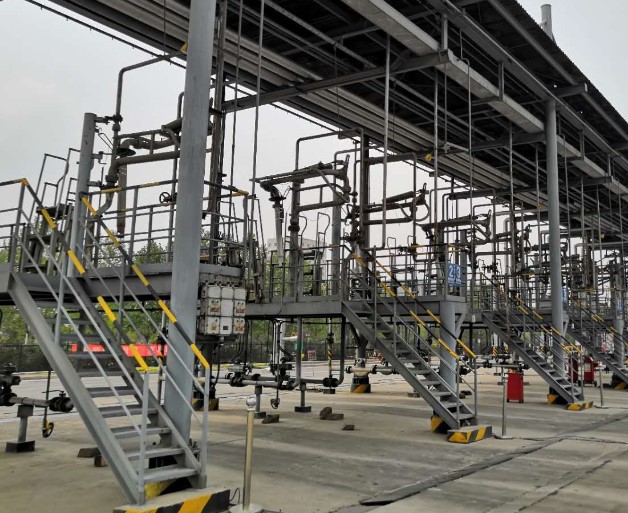
Application background
Gasoline loading produces short-duration vapor peaks and can contain a mixture of light and heavier hydrocarbons. Adsorption can capture and equalize the vapor load, while absorption can recover selected hydrocarbons when the absorbent and product route are compatible.
Reference process route
Loading vapor → vapor-return header → knockout and pressure control → activated-carbon adsorption → absorber/absorbent circulation → recovered liquid or rich absorbent management → monitored tail-gas polishing.
Safety and operating checks
- Confirm loading peak, simultaneous bays, vapor-return pressure and liquid carryover.
- Monitor adsorption-bed temperature and pressure drop.
- Define absorbent circulation, level control, regeneration and recovered-product routing.
- Coordinate LEL, oxygen, ESD, grounding, flame protection and bypass logic.
- Test alarm, shutdown and restart sequences before normal operation.
Compare VRU routes for gasoline loading
Send the product list, loading rate and vapor analysis for a condensation + adsorption versus adsorption + absorption review.